Syngonium Tri Color: A Stunning and Low-Maintenance Houseplant
If you're looking for an eye-catching and easy-to-care-for houseplant, then Syngonium Tri Color might be the perfect choice for you. This beautiful plant is part of the Araceae family and is native to South America. It's also known by other names such as Arrowhead Plant, Goosefoot Plant, or Nephthytis.
Syngonium Tri Color has become increasingly popular among plant lovers, thanks to its striking variegated foliage that features shades of pink, green, and cream. Apart from being aesthetically pleasing, this plant is low-maintenance and can thrive in a range of indoor conditions. In this article, we'll explore everything you need to know about Syngonium Tri Color, from its care requirements to its propagation methods.
Syngonium Tri Color Care Guide
Lighting Requirements
Syngonium Tri Color thrives in bright, indirect light. However, it can tolerate low-light conditions but may not produce the same vibrant colors in its foliage. Direct sunlight can scorch its leaves, so avoid exposing it to direct sun rays. If you notice that your plant is stretching towards the light source, it means it needs more light.
Watering Needs
This plant prefers consistently moist soil. However, overwatering can lead to root rot, which is a common problem with Syngonium Tri Color. To prevent this, make sure that the soil dries out slightly between watering sessions. You can check the soil moisture by inserting your finger 1-2 inches into the soil. If it feels dry, it's time to water your plant.
Soil Requirements
Syngonium Tri Color prefers well-draining soil that's rich in organic matter. You can use a mixture of peat moss, perlite, and potting soil to create an ideal growing medium for this plant. Avoid using heavy soils that retain too much moisture, as they can lead to root rot.
Temperature and Humidity
This plant prefers warm temperatures between 60-80°F (15-27°C). It can tolerate lower temperatures but may not grow as quickly. Syngonium Tri Color also thrives in high humidity levels, so it's a good idea to mist its leaves regularly or place it near a humidifier.
Fertilizer Requirements
Syngonium Tri Color doesn't require frequent fertilization. You can feed it once every two weeks during the growing season with a balanced fertilizer. During the dormant season, reduce the frequency to once a month.
Propagation Methods
There are several ways to propagate Syngonium Tri Color, such as stem cuttings, division, or air layering. Stem cuttings are the easiest method, where you simply cut a healthy stem with at least one node and place it in water until roots to develop. Once the roots are well-established, you can transfer the cutting to soil.
Common Pests and Diseases
Syngonium Tri Color is generally resistant to pests and diseases. However, like most houseplants, it can attract mealybugs, spider mites, or scale insects. To prevent infestations, inspect your plant regularly and remove any affected parts immediately. You can also use insecticidal soap or neem oil to control pests.
Frequently Asked Questions
Q1: Is Syngonium Tri Color toxic to pets?
A: Yes, Syngonium Tri Color is toxic to cats and dogs if ingested. Its sap contains calcium oxalate crystals that can cause oral irritation, swelling, and choking.
Q2: Can Syngonium Tri Color be grown outdoors?
A: No, Syngonium Tri Color is best grown as an indoor plant. It can't tolerate direct sunlight and prefers warm temperatures.
Q3: How often should I repot my Syngonium Tri Color?
A: You should repot your Syngonium Tri Color every two years or when it outgrows its current pot. Use a pot that's one size larger than the current one and refresh the soil mixture.
Q4: Why is my Syngonium Tri Color losing its variegation?
A: The lack of adequate light can cause Syngonium Tri Color to lose its variegation and revert to solid green leaves. Ensure that your plant receives enough bright, indirect light to maintain its colorful foliage.
Q5: Can Syngonium Tri Color grow in water?
A: Yes, Syngonium Tri Color can grow in water, but it's not recommended for long-term growth. You can propagate your plant in water until roots develop and then transfer it to soil.
Q6: What should I do if my Syngonium Tri Color develops root rot?
A: If you notice signs of root rot, such as yellowing leaves or foul odor from the soil, immediately remove the affected parts and repot your plant in fresh soil. Avoid overwatering in the future.
Q7: How tall does Syngonium Tri Color grow?
A: Syngonium Tri Color can grow up to 3-6 feet (1-2 meters) tall in optimal conditions. However, it's a slow-growing plant and may take several years to reach its full height.
Q8: How can I make my Syngonium Tri Color bushier?
A: You can encourage bushier growth by pinching off the tips of new shoots or stems. This will promote branching and create a fuller plant.
Q9: Can I prune my Syngonium Tri Color?
A: Yes, you can prune your Syngonium Tri Color to remove any damaged or leggy stems. Use clean, sharp scissors and make cuts just above a leaf node.
Q10: How can I revive my droopy Syngonium Tri Color?
A: If your plant is drooping, it might be due to underwatering or overwatering. Check the soil moisture and adjust your watering schedule accordingly. You can also trim back any excessively long or droopy stems to encourage new growth.
Syngonium Tri Color is a beautiful and low-maintenance houseplant that can add a pop of color to any indoor space. With proper care and attention, this plant can thrive for several years and even become a cherished family heirloom. Remember to provide it with adequate light, water, and humidity, and you'll have a stunning plant to admire for years to come.
10 Syngonium tri color Images

180 Best Images About Araceae On Pinterest Elephant Ears

Bonneplantss Instagram Post The Newest Addition To My Plant

Syngonium Red Spot Tricolor Pink Splash Phytosanitary CerTree

52 Best Ideas About Syngonium On Pinterest Moms Birthday Presents
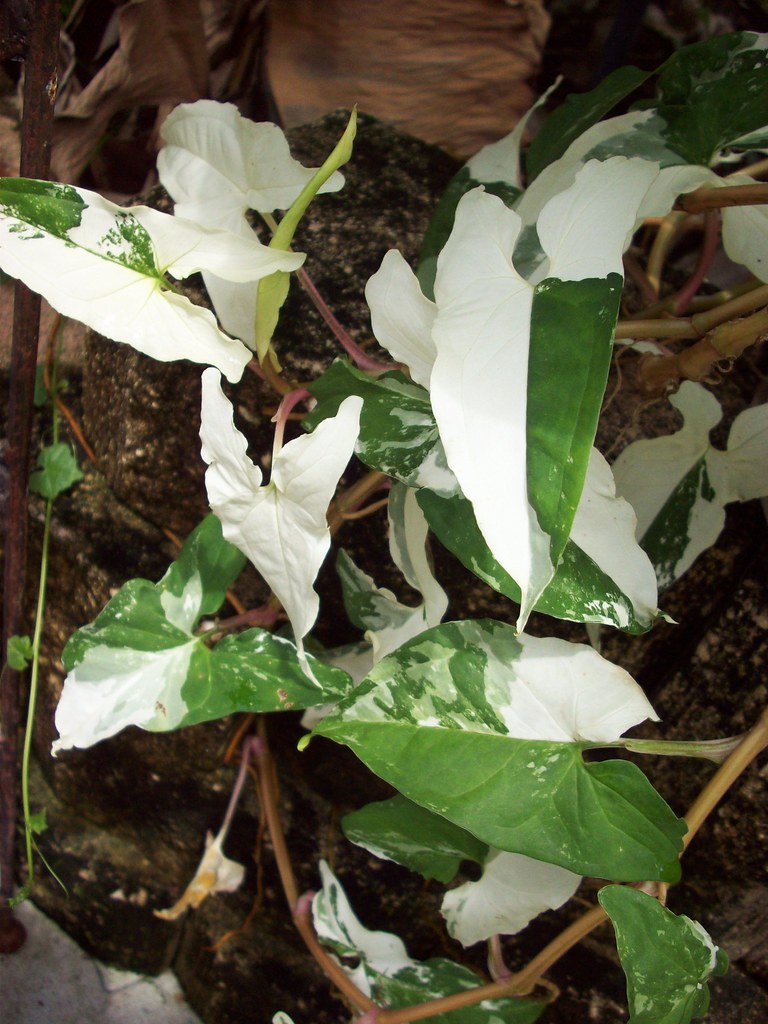
1000 Images About Syngonium On Pinterest

4 Syngonium Regina Red For Kaileen Plants Small Plants Arrowhead Plant

Philodendron Cebu Blue Epipremnum Pinnatum Epipremnum Pinnatum

Syngonium Podophyllum TriLeaf Wonder Jardinagem Folhas

2 Pink Syngonium Etsy Plant Care Pink Healthy Plants

Syngonium Podophyllum Trileaf Wonder
Post a Comment for "Syngonium Tri Color: A Stunning and Low-Maintenance Houseplant"